
Xerox PARC / Personal Computing Miss
The company that built the future, then let others bring it to life
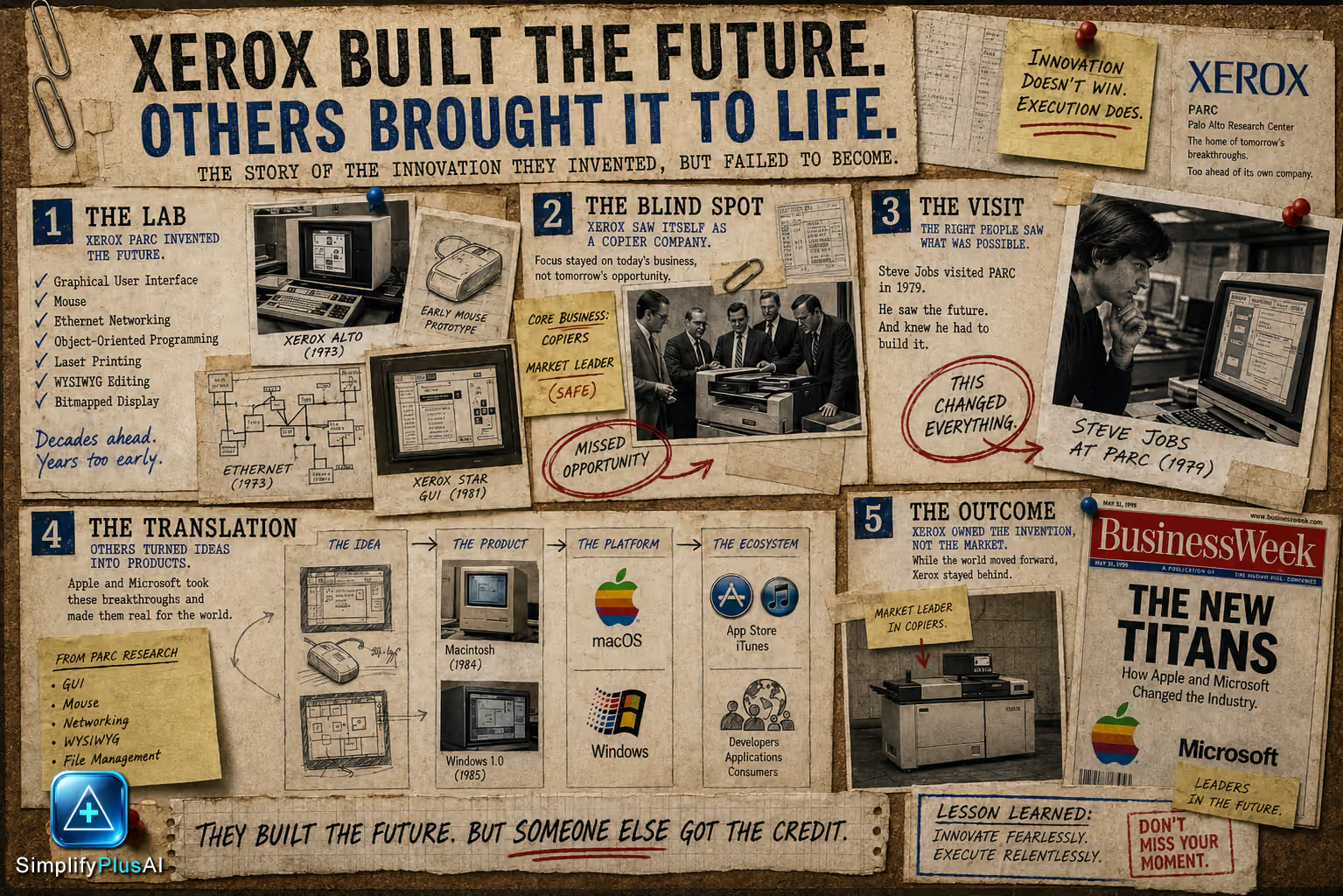
PARC combined graphical interface, mouse, networking, WYSIWYG editing, email, and laser-printing concepts
Treated largely as research capability inside a copier-centered company
The components of modern personal computing moved into other companies’ commercial platforms
Xerox Alto demonstrated a working future of interactive computing
Not translated into a mass-market personal-computing strategy early enough
Apple and later Microsoft captured user-interface and software-platform mindshare
Apple saw PARC technology in 1979
Underestimated as a technology transfer risk rather than a category-control moment
Apple Lisa and Macintosh brought GUI ideas into broader public imagination
Xerox remained anchored to document/copying economics
Existing business logic shaped interpretation of the opportunity
Xerox lost strategic control of innovations it helped originate
Xerox PARC was not short on invention. It helped define the future of personal computing before the market fully understood what that future would become.
The Alto combined many elements that later became normal: mouse input, graphical interface, networking, WYSIWYG editing, email, and easy-to-use graphics software.
The failure was translation. Xerox had pieces of the future, but it did not convert them into the dominant commercial platform. Others recognized the strategic meaning faster and carried the future into the mainstream.
Innovation-to-commercialization failure + existing business model prevented full ownership of the platform shift


.png)