.avif)
Workforce instability rarely appears as one clean problem. It shows up as scattered symptoms: repeated tardiness, absence spikes, inconsistent accountability, staffing disruption, management strain, and recurring behavior that seems to improve briefly before returning.
Most organizations already capture the raw data through scheduling systems, attendance logs, timestamps, absence records, or workforce platforms. The challenge is that the data usually remains fragmented. Leaders can see events, but not the larger stability pattern.
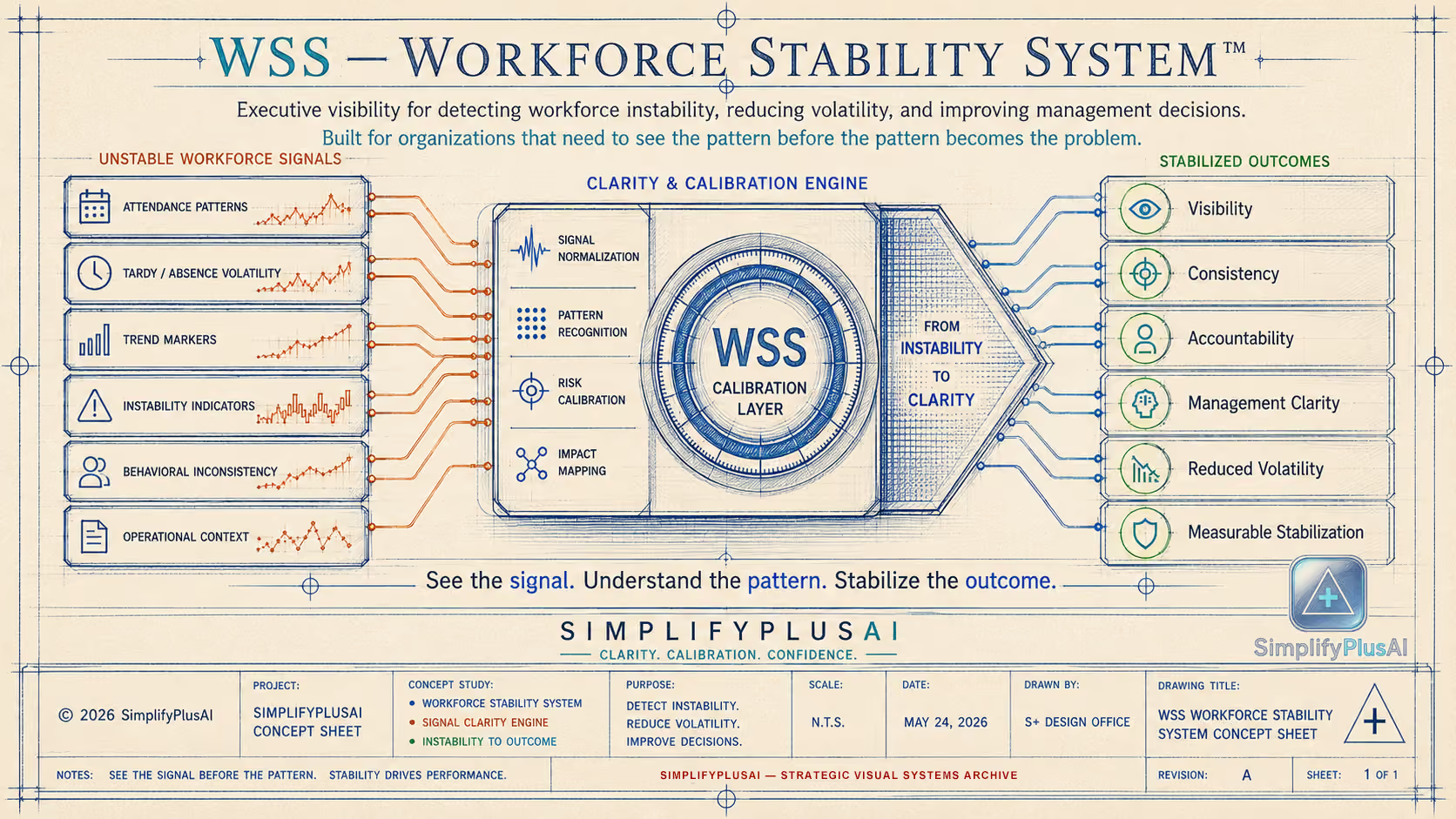
Workforce Stability System™
Operational visibility for workforce stability, accountability, and behavioral consistency.
Most companies already have the workforce data. They simply cannot see the operational patterns hidden inside it.
The Workforce Stability System™ transforms existing attendance and workforce telemetry into clear operational visibility, measurable stabilization, and actionable management clarity.
This is not employee surveillance. This is workforce stabilization through visibility, interpretation, and management clarity.
The Problem
What WSS Makes Visible
- where workforce instability is forming
- where tardy and absence patterns are becoming operationally disruptive
- where volatility is improving or reappearing
- whether interventions are creating measurable stabilization
- where management needs earlier visibility before problems escalate
- whether the workforce is moving toward consistency or drifting back into instability
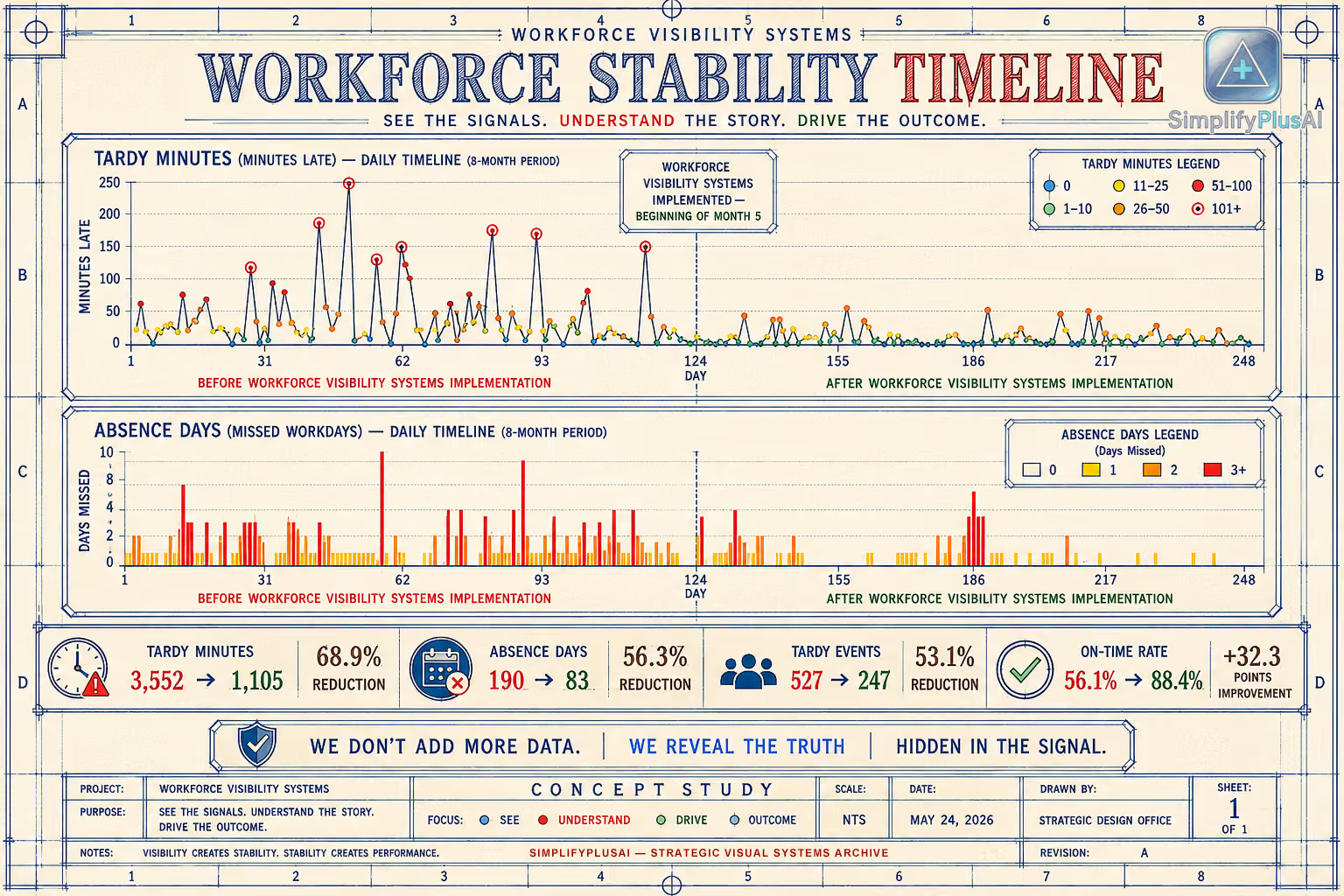
A Simple Case Visual Tells the Story
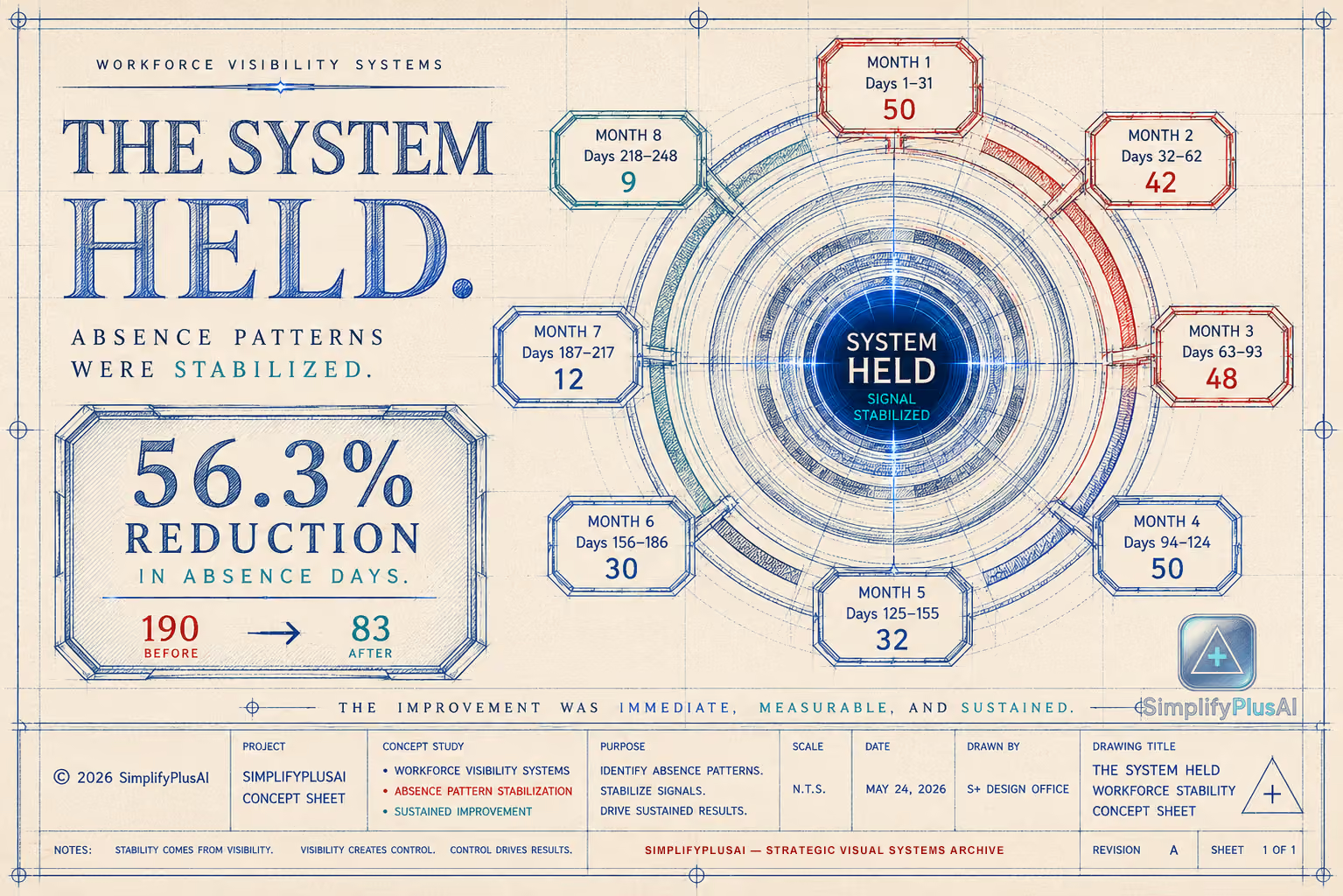
In one workforce-heavy operation, the pattern was clear once the data was converted into a stability timeline. Before WSS, the operation showed chronic attendance volatility, repeated high-severity tardy spikes, absence clustering, and elevated management strain.
After WSS implementation, the operation did not become artificially perfect. That is not the goal. The more meaningful result was stabilization: fewer severe spikes, lower absence pressure, improved consistency, and a workforce pattern that became more manageable and predictable.
The shift was not chaos to perfection. The shift was chaos to controlled stability.
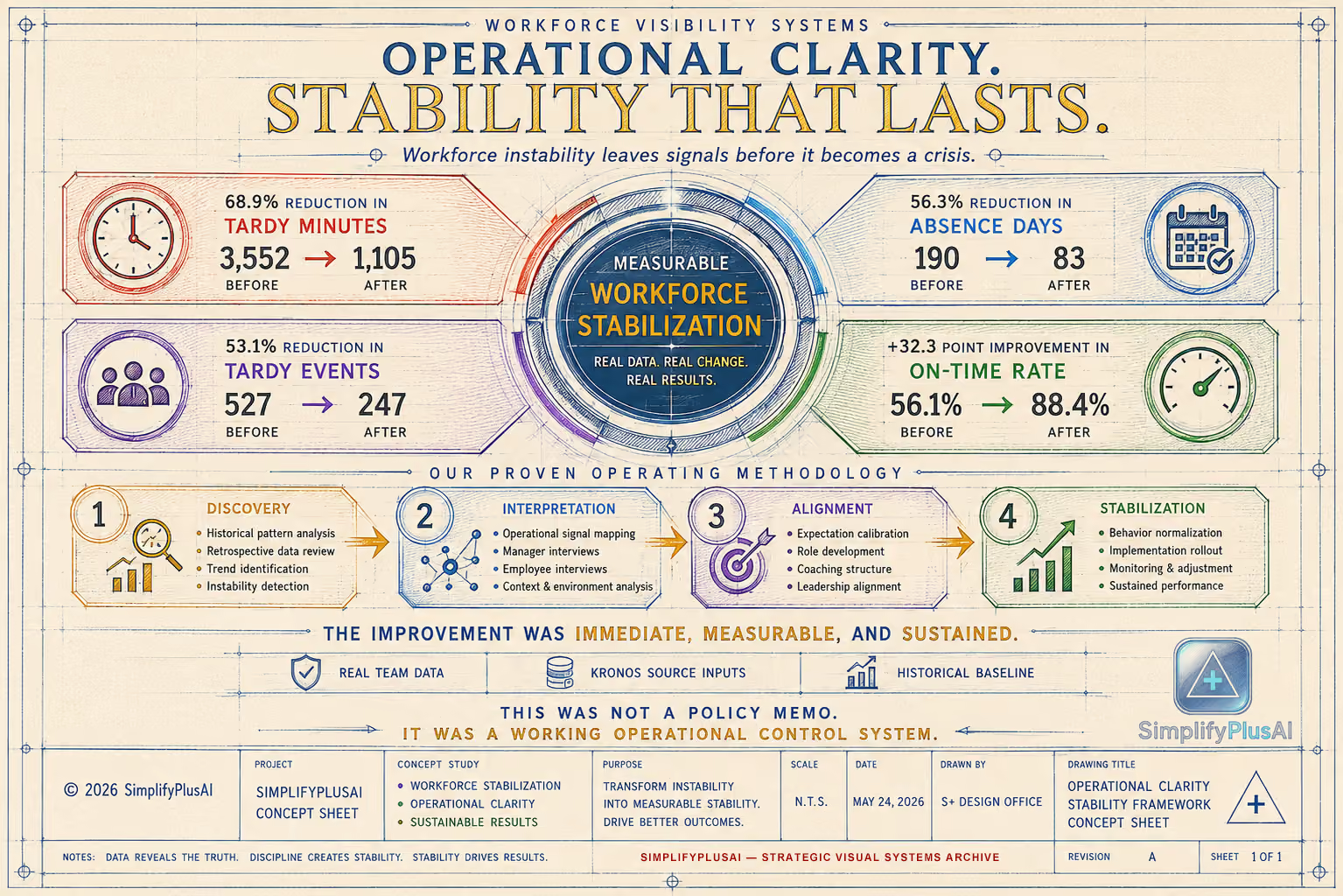
68.9%
Reduction in tardy minutes
Before vs. after WSS
56.3%
Reduction in absence days
Before vs. after WSS
53.1%
Reduction in tardy events
Before vs. after WSS
56.1% → 88.4%
On-time rate improvement
+32.3 percentage points
Why the Timeline Matters
A single attendance report can show what happened. A WSS timeline shows what is happening over time.
That difference matters because leadership does not only need documentation. Leadership needs to understand whether the operation is stabilizing, drifting, repeating, or becoming more predictable.
The timeline visual makes hidden workforce instability easier to see, easier to explain, and easier to manage.
What This System Is Not
01
It is not a surveillance tool.
02
It is not a punitive attendance tracker.
03
It is not generic HR paperwork.
04
It is not dashboard decoration.
05
It is not software for spying on employees.
06
WSS is designed to help leaders understand operational patterns, reduce instability, and make better management decisions from data they usually already possess.
What Leaders Receive
A WSS review can translate workforce telemetry into an executive-ready visibility report with a clear case narrative, stability indicators, before-and-after trend visuals, and practical leadership recommendations.
- Executive workforce stability summary
- Tardy and absence timeline visuals
- Operational volatility interpretation
- Before -> After stabilization view
- Management clarity recommendations
- Ongoing visibility or review options
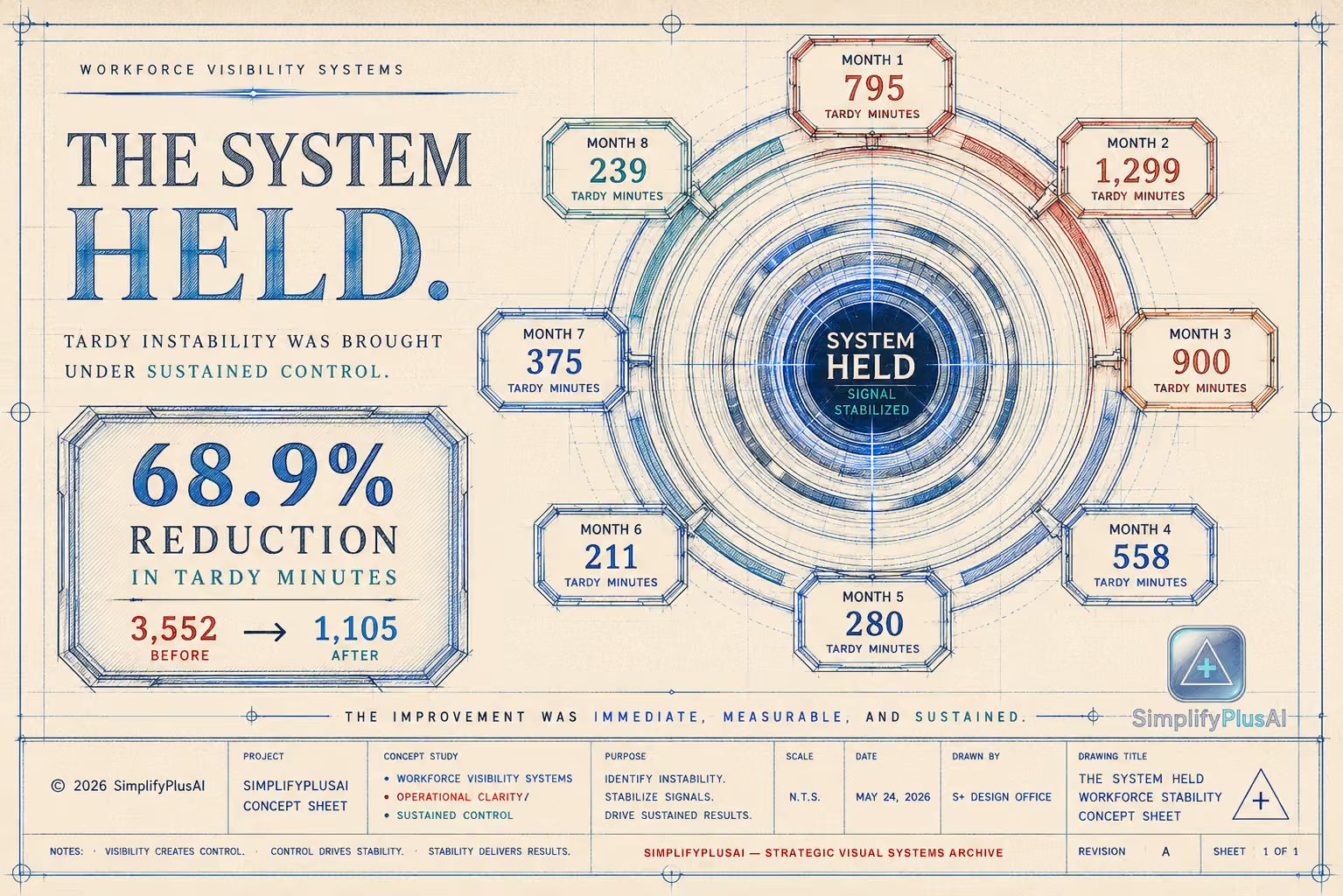
The Core Result
When workforce patterns become visible, leaders can stop reacting only to isolated events and start understanding the stability of the operation itself.
The result is clearer accountability, lower operational volatility, better intervention timing, stronger workforce consistency, and more confident management decisions.


.png)