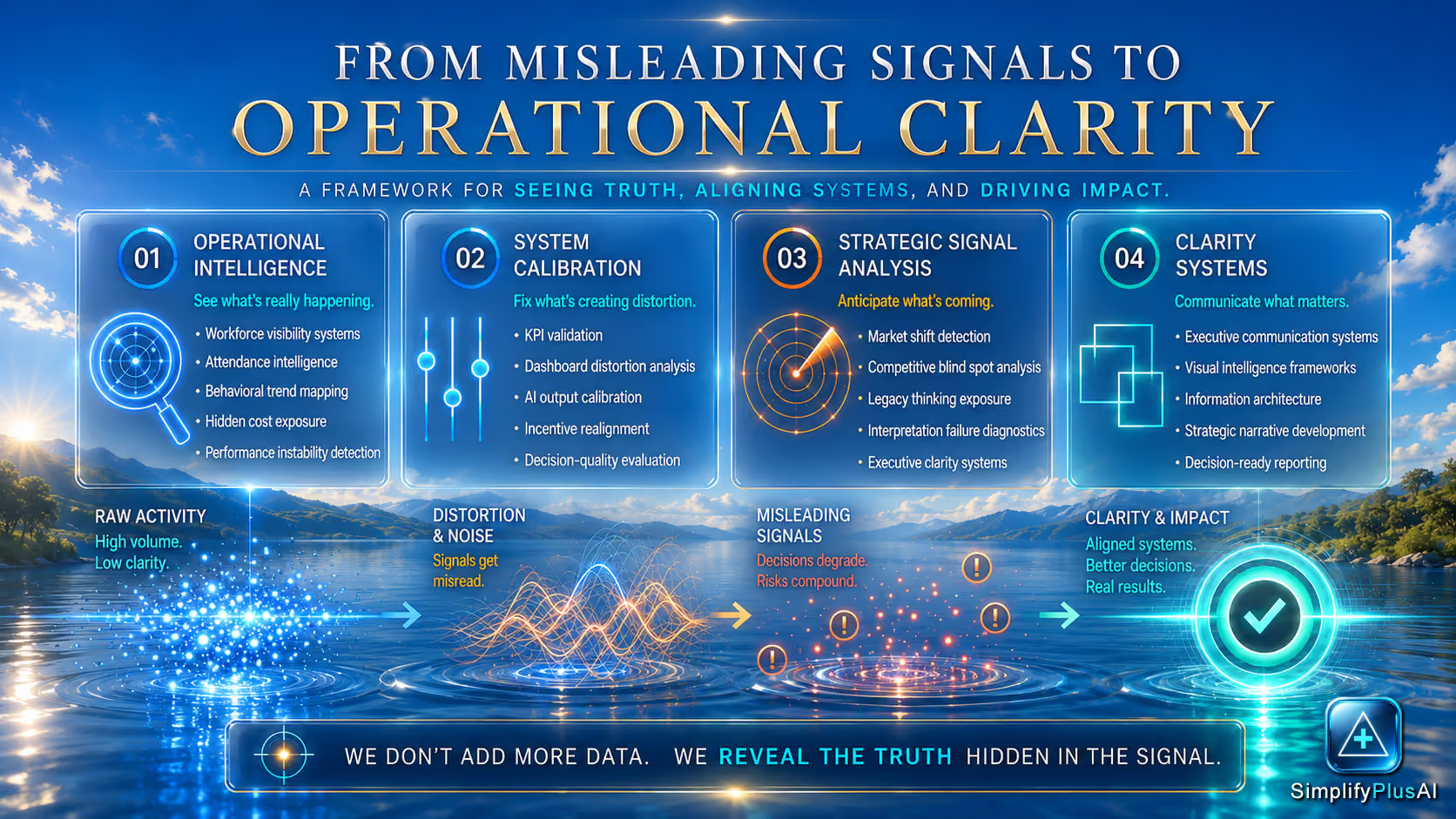
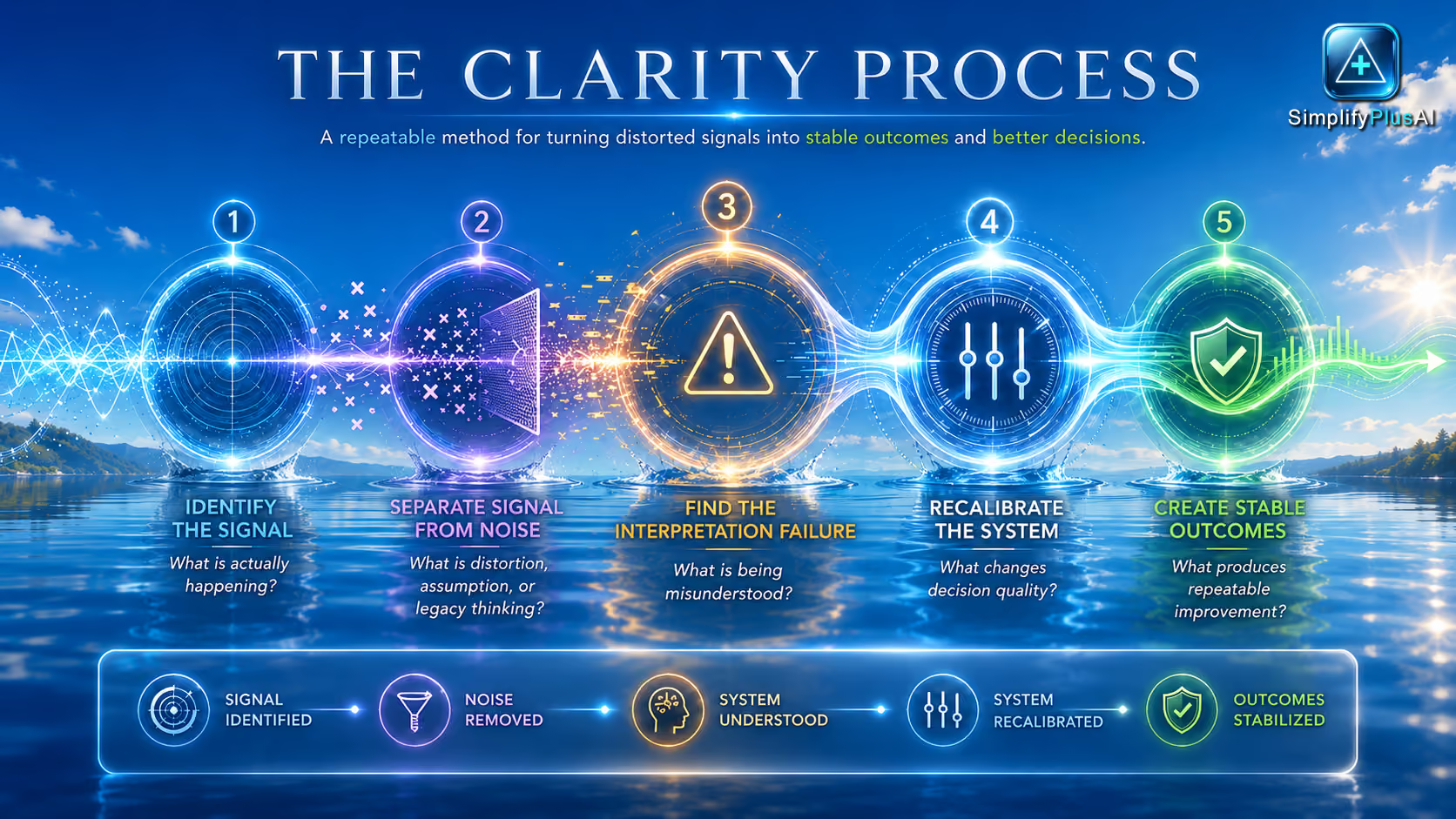
How SimplifyPlusAI Works

Most organizations do not need more frameworks, dashboards, or reporting layers.
They need a clearer view of how their system is actually behaving.

Our process is designed to remove interpretation gaps between leadership perception, employee execution reality, and system data. When those three align, decision-making becomes significantly more direct.

The goal is not to add more noise to the business. The goal is to identify where the signal is breaking down, where interpretation has drifted from reality, and what needs to be clarified first.

Six-Step Sequence

01. System Input Collection

We begin by gathering a minimal but structured set of inputs from your organization.

This typically includes:

  • Leadership perspective on performance and priorities
  • Key operational and performance data
  • Targeted input from teams or departments
  • Existing KPI and reporting structures

We are not collecting everything. We arecollecting what matters for system interpretation.
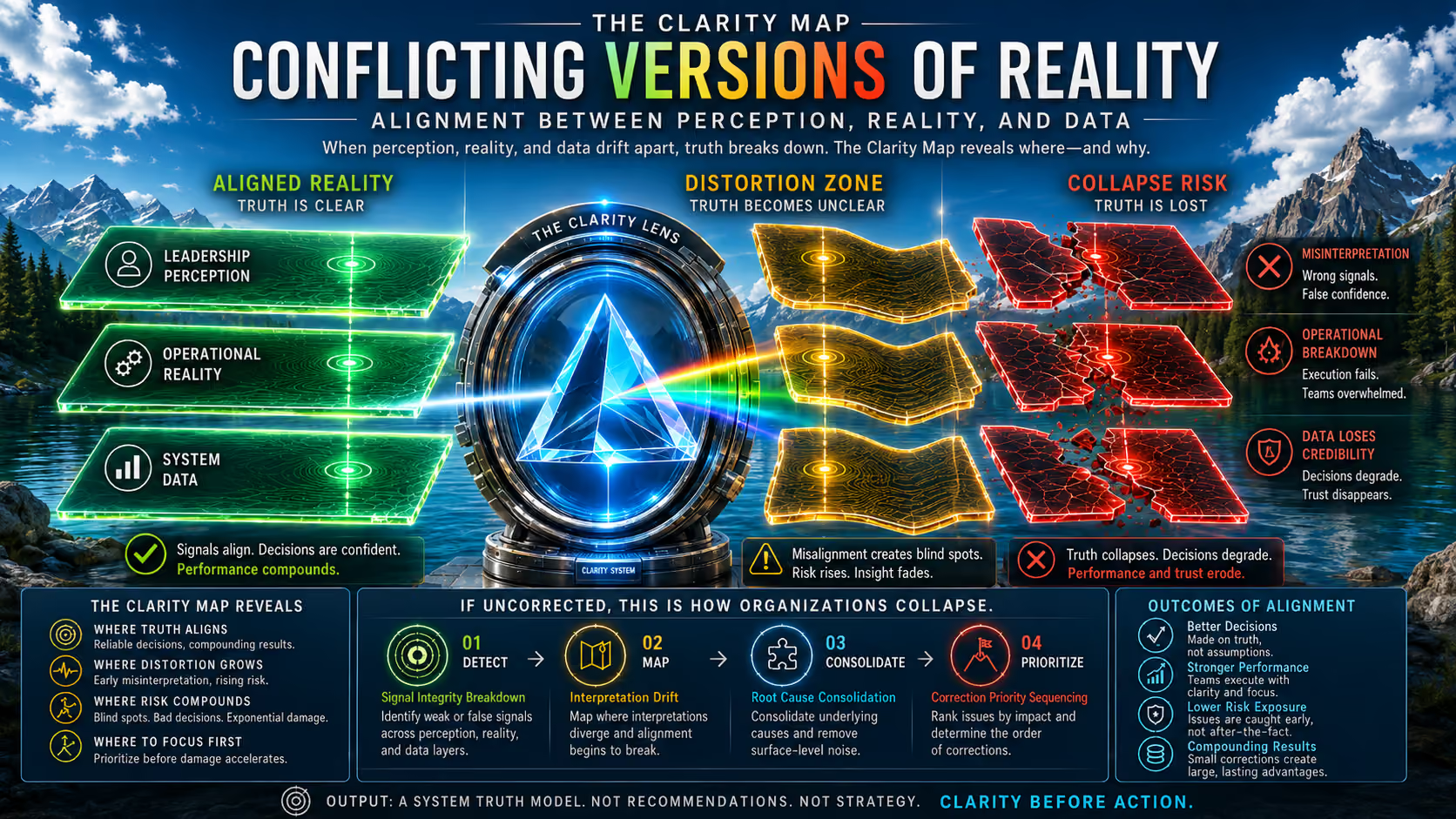
02. Three-Layer Alignment Review

We analyze your organization across three independent layers

  • Leadership Layer — how leadership believes the system is performing and where issues exist.
  • Execution Layer — how teams are actually experiencing workflows, priorities, and constraints.
  • System Layer — what operational data, KPIs, and reporting structures are indicating.

We then compare these layers side by side. The goal is not to interpret each layer in isolation. The goal is to identify where interpretation diverges.

03. Distortion Identification

Once the layers are mapped, we identify where signal breakdown occurs.

This typically shows up as:

  • KPIs that conflict across departments
  • leadership assumptions that do not match execution reality
  • reporting systems that no longer reflect operational truth
  • repeated issues that appear unrelated but share a root cause

At this stage, complexity begins to consolidate into patterns.

04. Root Cause Isolation

We walk through the findings with your leadership team.

The goal is not to sell. The goal is to make sure the interpretation is accurate, useful, and actionable.

From there, your organization can decide what should be addressed, what should be monitored, and what should not be touched until the real signal is clearer.

05. Clarity Map Delivery

You receive a structured Clarity Map.

It identifies:

  • where system interpretation breaks down
  • what is driving operational inefficiencies
  • where misalignment exists across layers
  • what should be addressed first for maximum impact

This is not a report filled with generic recommendations. It is a structured view of how your system is actually functioning.

Step 6 — Clarity Review

We then isolate the structural drivers behind those patterns.

Not symptoms. Not surface-level issues. Not another layer of commentary.

The purpose is to identify the underlying system causes that are producing repeated outcomes. This is where many organizations realize the problem is not ten separate issues, but one or two structural misalignments being expressed in different ways.

What Makes This Different

Most advisory processes begin with recommendations. We begin with validation.

Most systems assume the data is correct. We verify whether the system producing that data still reflects operational reality.

That difference matters because a business can have polished dashboards, clean reports, and detailed KPIs while still making decisions from a distorted signal.

What You Should Expect

Organizations typically experience:

  • Clearer prioritization of operational issues
  • Fewer conflicting interpretations across teams
  • Faster decision-making cycles
  • Reduced internal friction caused by misalignment
  • More direct understanding of root causes

Not because more information was added. Because distorted interpretation was removed.

Who This Is For

This process is designed for organizations that:

  • Have strong reporting systems but low clarity
  • Experience recurring operational inefficiencies
  • See misalignment between leadership and execution
  • Rely heavily on data but struggle with interpretation
  • Want root-cause clarity before making strategic changes

If your organization has more information than clarity, the next step is not another dashboard. The next step is understanding where interpretation is breaking down.