
Many organizations unknowingly operate with hidden operational friction, leadership trust gaps, invisible high performers, accountability inconsistency, disengaged teams, training blind spots, and recognition systems employees no longer emotionally believe in.
The result is often turnover, burnout, attendance instability, customer experience decline, operational inefficiency, and cultural distrust. Most of these issues never appear clearly in standard reporting. But employees feel them every day.
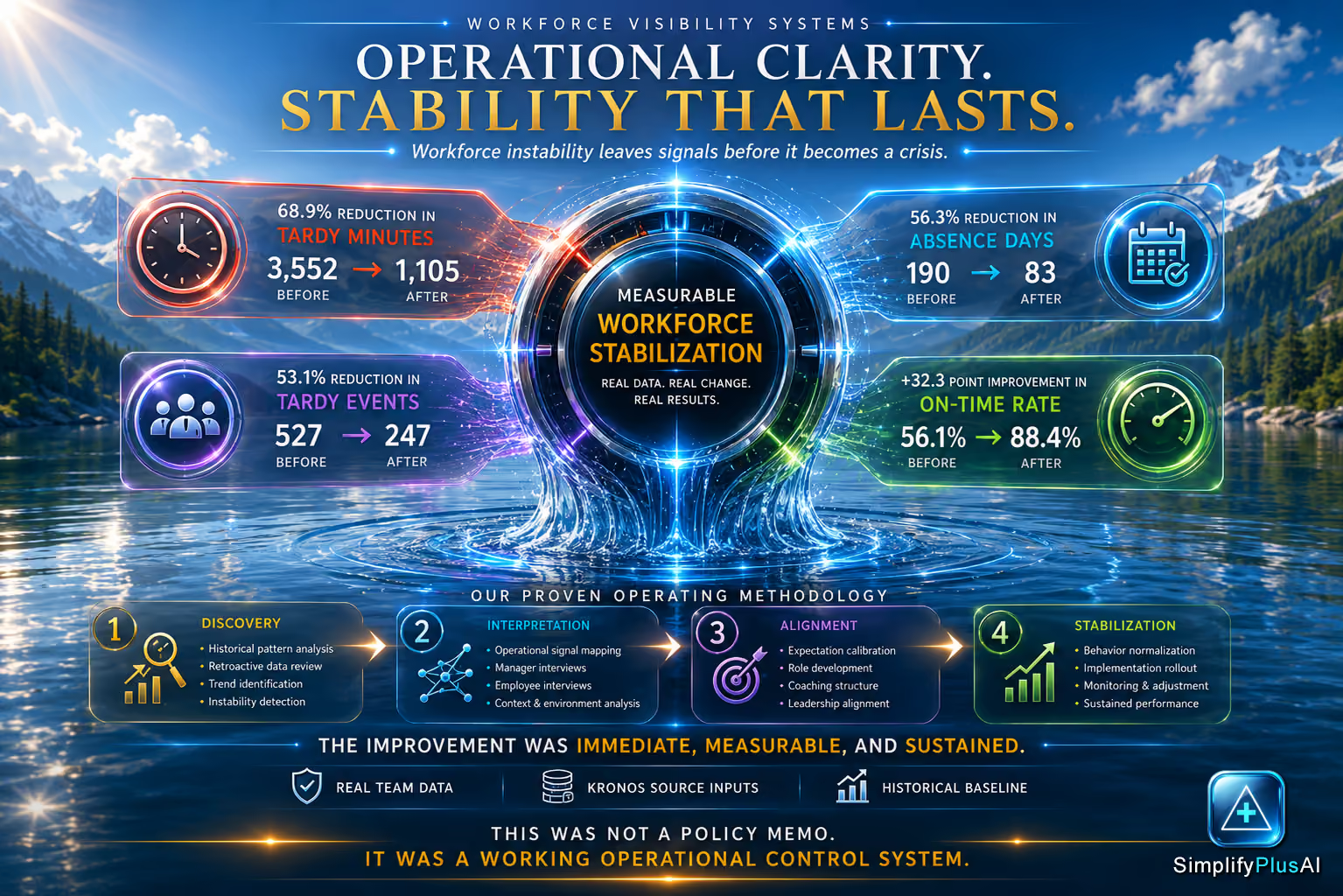
Workforce Visibility Systems
Making Operational Reality Visible.
Most organizations do not struggle because employees do not care. They struggle because the systems responsible for reinforcing reliability, accountability, contribution, progression, and leadership trust are often invisible, inconsistent, or disconnected from the reality employees experience every day.
The Hidden Cost of Invisible Operations
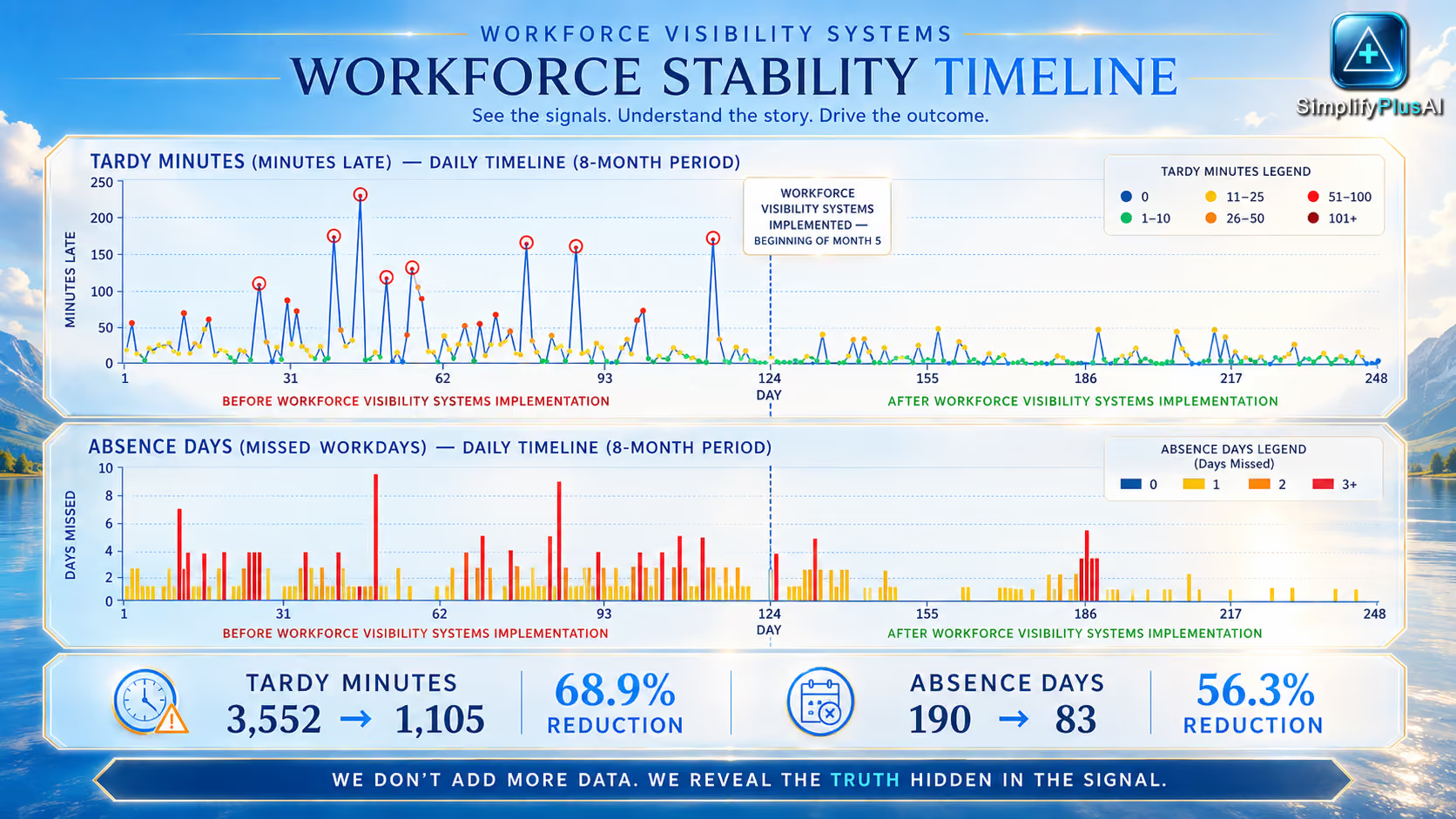
What Remains Invisible Rarely Becomes Culturally Valuable
WVS helps organizations create operational environments where reliability, contribution, capability, progression, and leadership effectiveness become visibly reinforced throughout the workplace itself.
The goal is not to manufacture enthusiasm. The goal is to create systems employees perceive as fair, earned, transparent, and operationally legitimate.
Core Visibility Modules
01
Recognition Visibility Systems: Professional recognition systems designed to restore legitimacy, visibility, and emotional value to workforce contribution and operational achievement.
02
Progression Visibility Systems: Structured progression systems that reinforce consistency, reliability, accountability, and visible achievement.
03
Capability Visibility Systems: Training and workforce capability systems that make skill development and operational flexibility visibly measurable.
04
Leadership Visibility Systems: Diagnostic systems designed to identify hidden friction, trust patterns, and workforce stabilization dynamics.
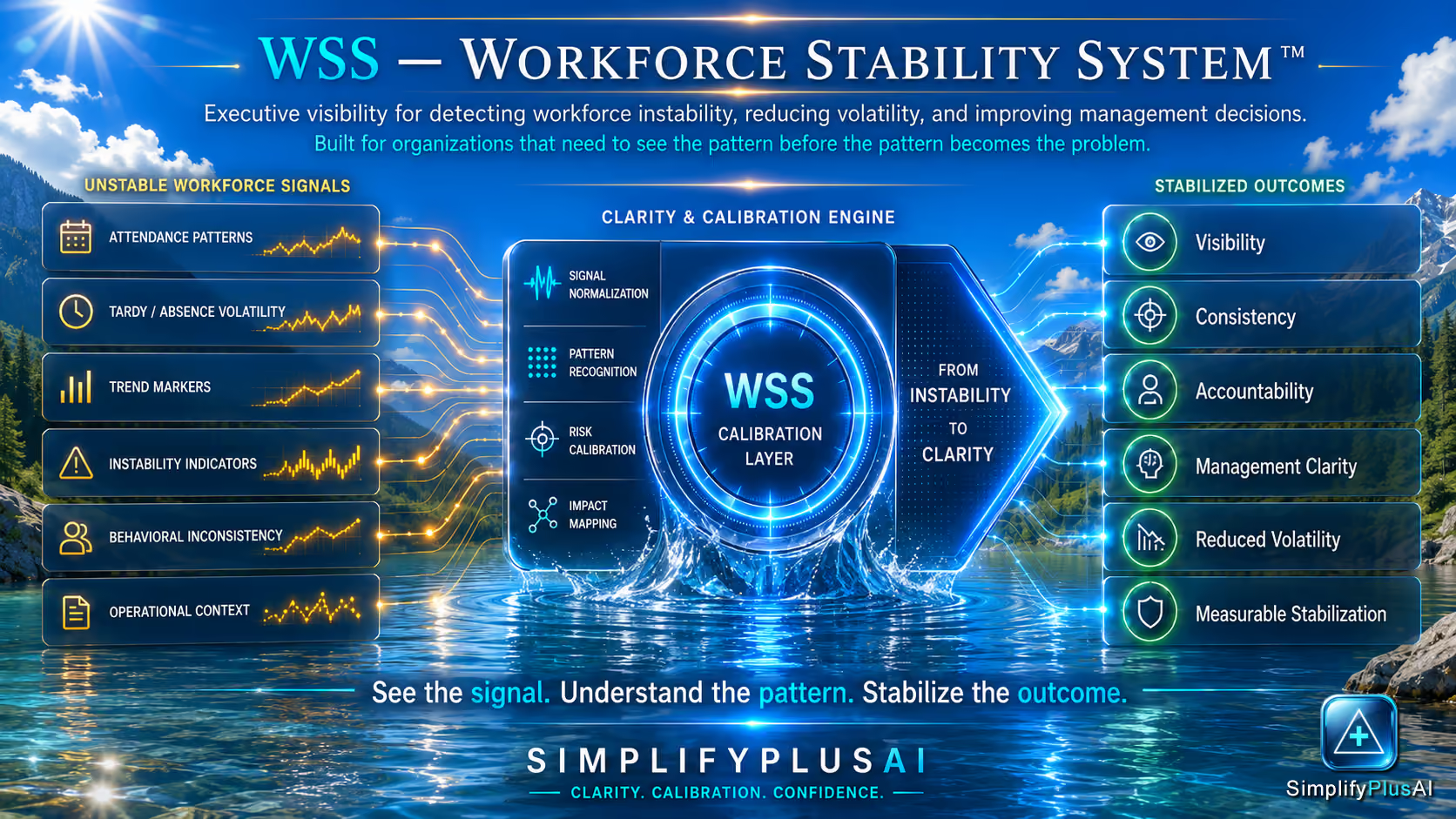
Leadership Diagnostic Proof Layer
The leadership diagnostic layer is the strongest evidence that WVS is larger than recognition. A simple workforce feedback structure can reveal trust routing, leadership contrast, hidden stabilizers, and operational legitimacy problems.
Diagnostic Signals WVS Can Reveal
Diagnostic Signal
Observed Example
Why It Matters
Trust routing
Employees distinguish formal authority from the person they actually go to for help.
Formal title and operational trust are not always the same system.
Leadership contrast
A high-scoring stabilizer can appear beside a low-trust manager in the same environment.
WVS can surface hidden leadership risk before morale damage becomes visible.
Operational legitimacy
Behavior-based questions outperform vague morale language.
The system stays grounded in observable contribution and trust, not empty sentiment.
Hidden stabilizers
Employees who quietly keep teams functioning may not appearon standard reports.
Visibility changes how leadership understands value, retention, and internal influence.
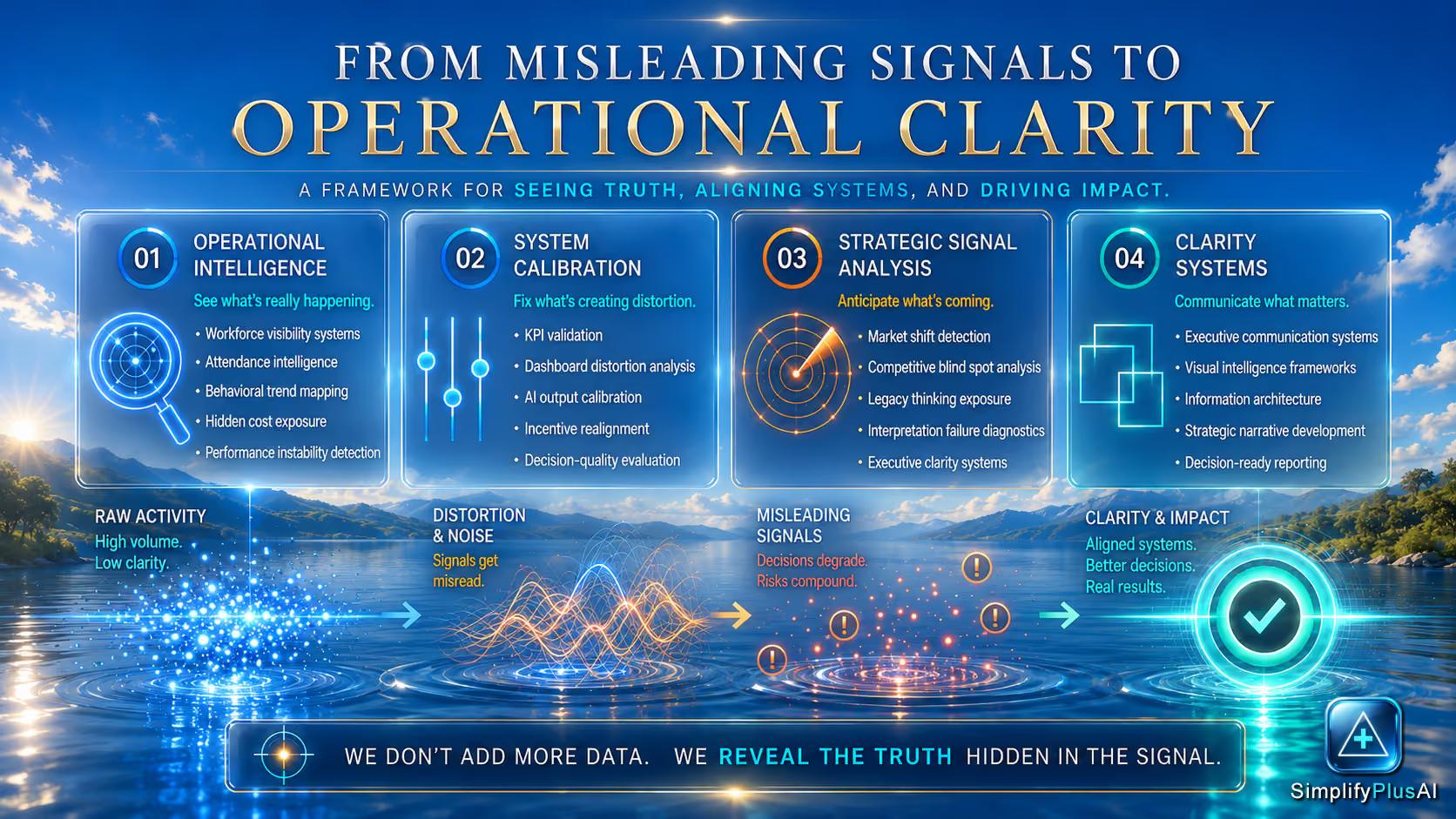
Business Outcomes
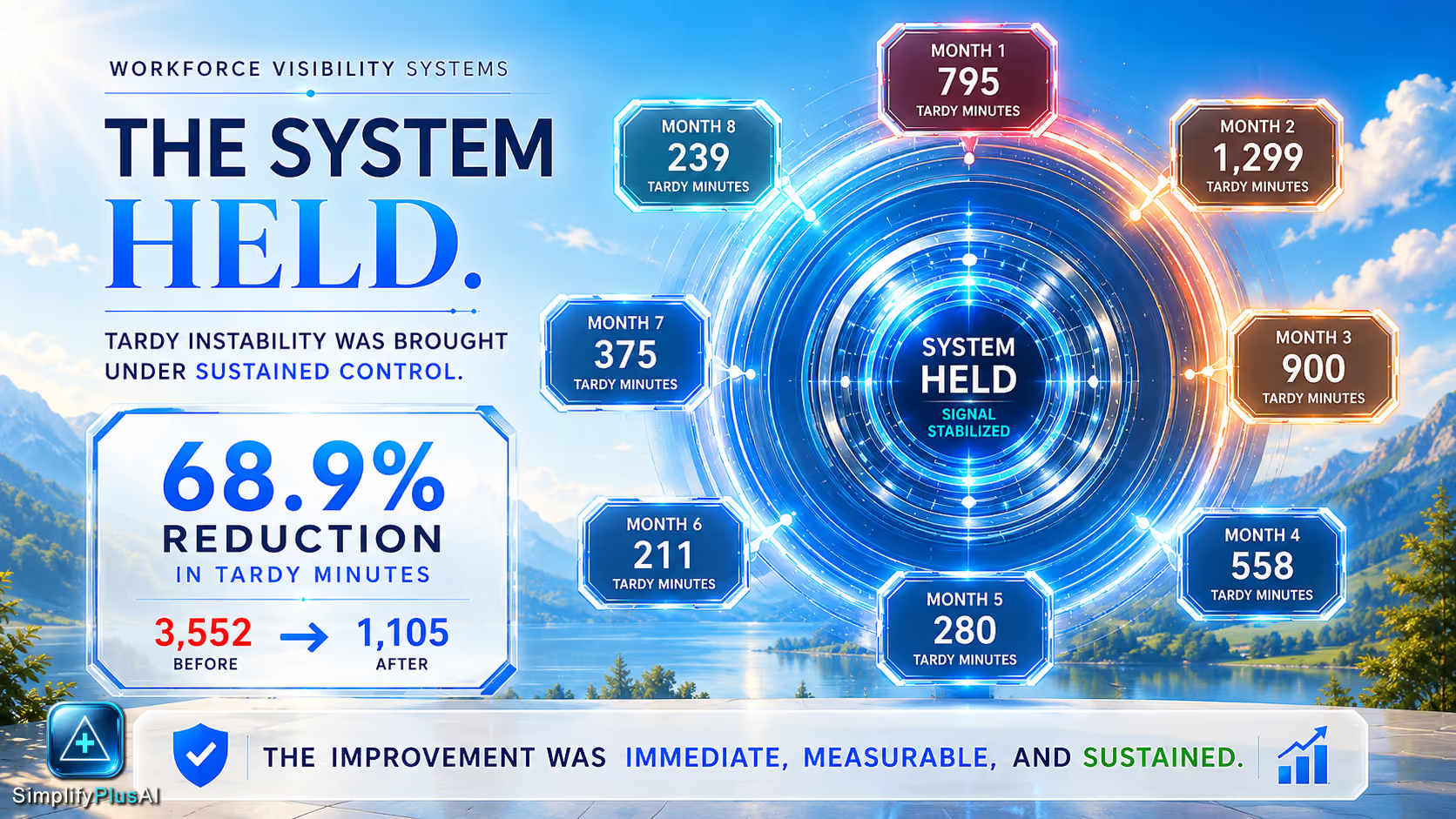
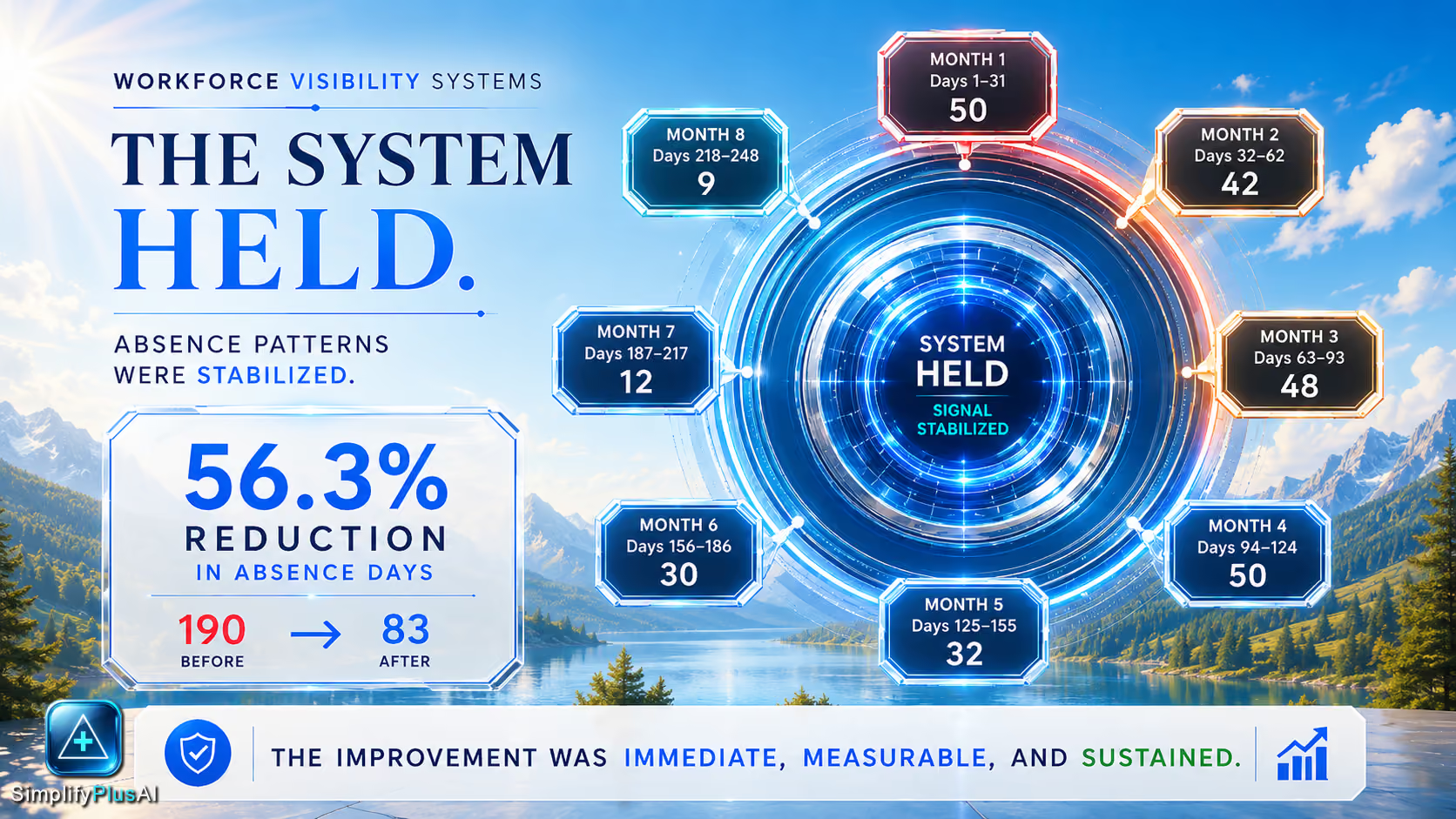
By making operational reality visible, WVS helps organizations improve workforce accountability, operational consistency, attendance reliability, leadership visibility, training participation, morale stability, retention, and operational trust.
The executive-level promise is not “better vibes.” The promise is clearer visibility into the human operational layer that either stabilizes the business or silently destabilizes it.
Outcome Evidence
What This Is Not
01
Not HR theater.
02
Not fake morale consulting.
03
Not forced positivity.
04
Not “work family” culture branding.
05
Not childish participation systems.
06
Not motivational fluff.
07
Not a generic dashboard product.
The systems are built around legitimacy: earned recognition, objective rules, visible contribution, measurable behavior, and operational truth.
Begin With A Focused Review
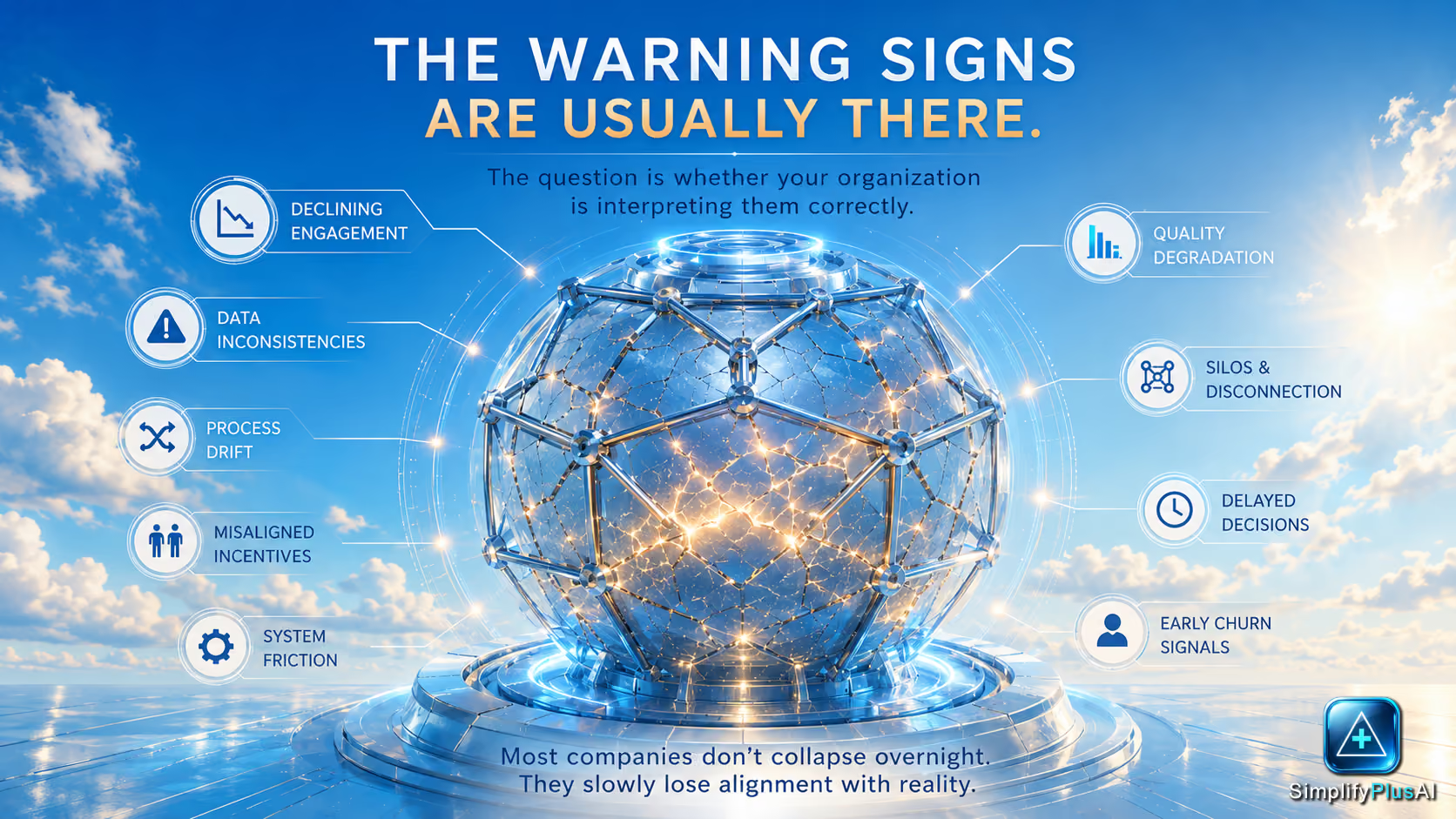
The warning signs are usually already there. WVS helps leadership make the hidden human-operational layer visible before instability, distrust, or repeated friction become more expensive to correct.


.png)